
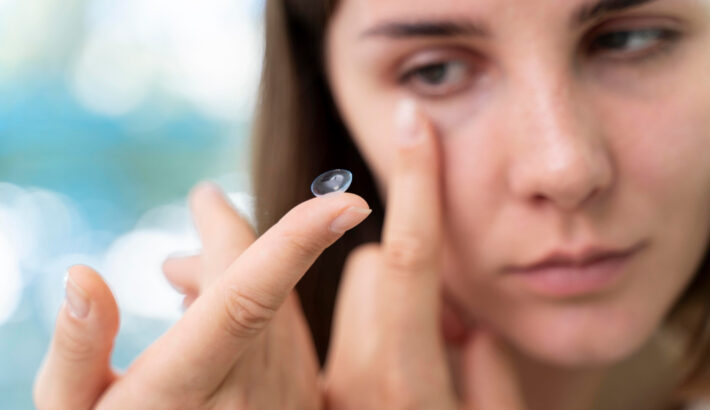
Contact lenses provide a convenient and effective way to improve vision, offering freedom from glasses and a clear, unobstructed view of the world. Yet, despite their popularity, many wearers make mistakes that can compromise both comfort and eye health. From first-time users to experienced wearers, small lapses in handling, hygiene, and usage habits can lead to irritation, infection, or even long-term vision problems. Understanding the most frequent errors is essential for anyone who wants to enjoy the benefits of contact lenses safely. This guide will explore the top five mistakes people make with contact lenses, explaining how to avoid them and maintain healthy, comfortable vision while making the most of your lenses every day.
Overwearing Lenses
One of the most common mistakes is wearing contact lenses for longer than recommended. Many users assume their lenses can last all day, every day, without consequence. Prolonged wear can reduce oxygen flow to the eyes, leading to dryness, discomfort, and increased risk of infection. Daily and extended-wear lenses are designed with specific time limits, and disregarding them can cause irritation and even damage corneal cells. Following the prescribed wearing schedule allows your eyes to rest and recover, reducing the risk of complications while maintaining comfort throughout the day.
Poor Hygiene Practices
Improper handling and cleaning of contact lenses is another major issue. Touching lenses with dirty hands, skipping proper cleaning solutions, or using water instead of disinfecting solutions can introduce bacteria and other pathogens to the eyes. This mistake can lead to infections such as conjunctivitis or keratitis, which may require medical attention. To maintain optimal eye health, wash and dry hands before handling lenses, use the recommended cleaning solutions, and store lenses in a clean case. Regularly replacing the storage case also reduces the risk of bacterial buildup.
Sleeping in Lenses

Many people underestimate the dangers of sleeping with contact lenses in, even occasionally. Sleeping in lenses reduces oxygen supply to the cornea, increasing the chance of irritation, swelling, and infection. Certain lens types are specifically designed for overnight wear, but most daily-wear lenses are not. Using lenses overnight without medical approval can significantly increase the risk of serious eye problems. Removing lenses before sleep allows the eyes to breathe, maintain natural moisture, and recover, reducing the likelihood of discomfort or damage.
Ignoring Lens Replacement Schedules
Contact lenses come with specific replacement intervals—daily, bi-weekly, monthly, or yearly—and ignoring these timelines is a frequent mistake. Wearing lenses beyond their recommended lifespan can decrease comfort, accumulate deposits, and increase infection risk. Overused lenses may become less flexible, less breathable, and more prone to scratches or tears. Adhering to replacement schedules keeps lenses clean, functional, and safe, allowing consistent vision quality while protecting eye health. Setting reminders or keeping a replacement calendar can help prevent accidental overuse.
Improper Use of Solutions and Storage
Many users make errors related to lens solutions and storage. Using expired or incorrect solutions, topping off old solution instead of replacing it, or storing lenses improperly can compromise safety and comfort. A clean, fresh solution every time is critical for disinfecting and hydrating lenses. Improper storage may introduce bacteria or cause lenses to dry out and warp. Following instructions for solution use, cleaning, and storage is essential to maintain hygiene and prevent irritation or infection. Investing in high-quality lens solutions and a proper storage case protects both lenses and eyes.
Contact lenses offer freedom, convenience, and clear vision, but common mistakes can undermine their benefits. Overwearing lenses, poor hygiene, sleeping in lenses, ignoring replacement schedules, and improper solution use are the most frequent errors. Avoiding these habits helps maintain eye comfort, prevents infections, and supports long-term eye health. By practicing safe handling and following guidelines for wear and care, users can enjoy the advantages of contact lenses while protecting their vision. Proper awareness and routine practices make contact lens use both safe and enjoyable, ensuring clear, comfortable vision every day.…